


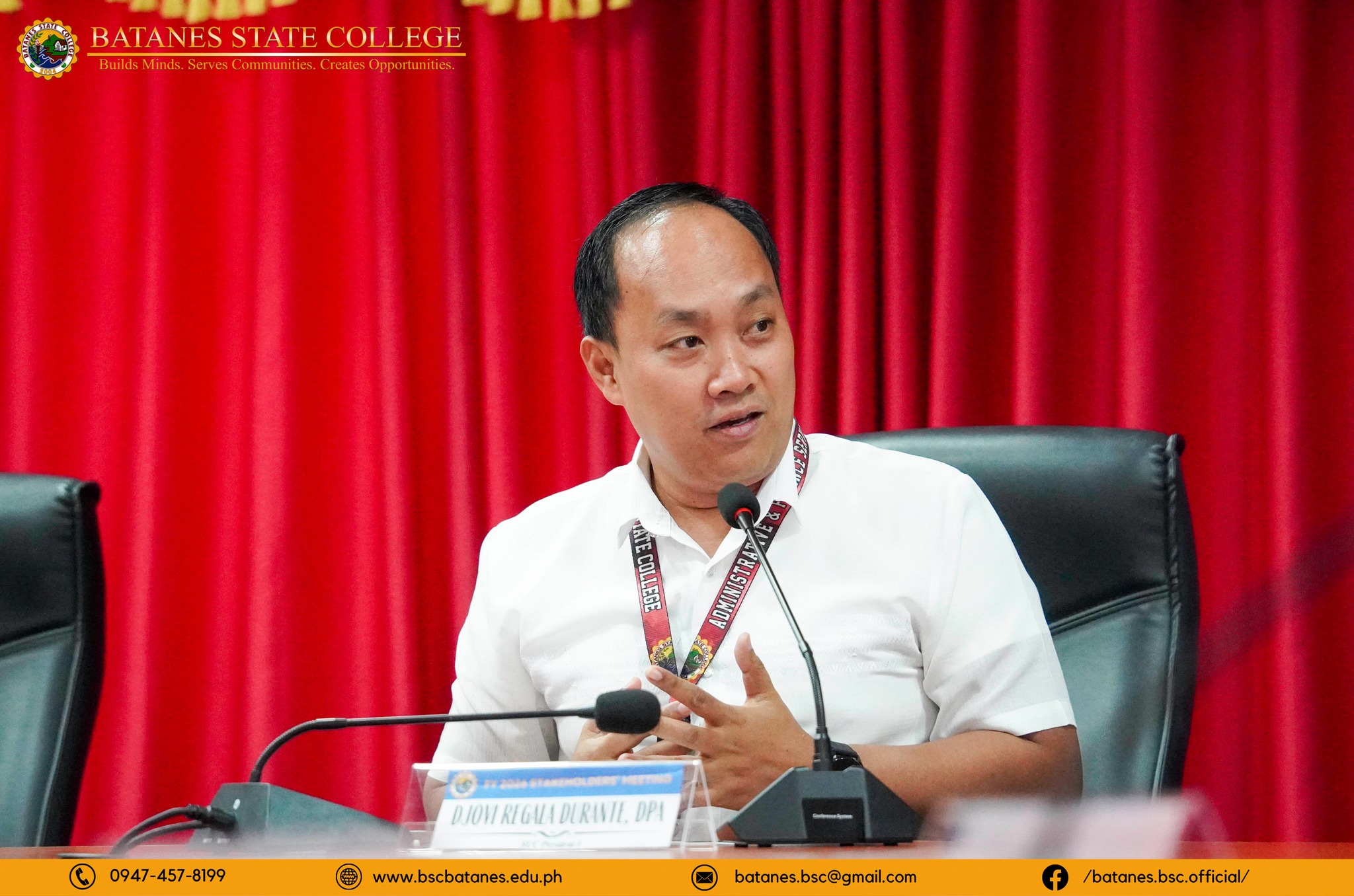
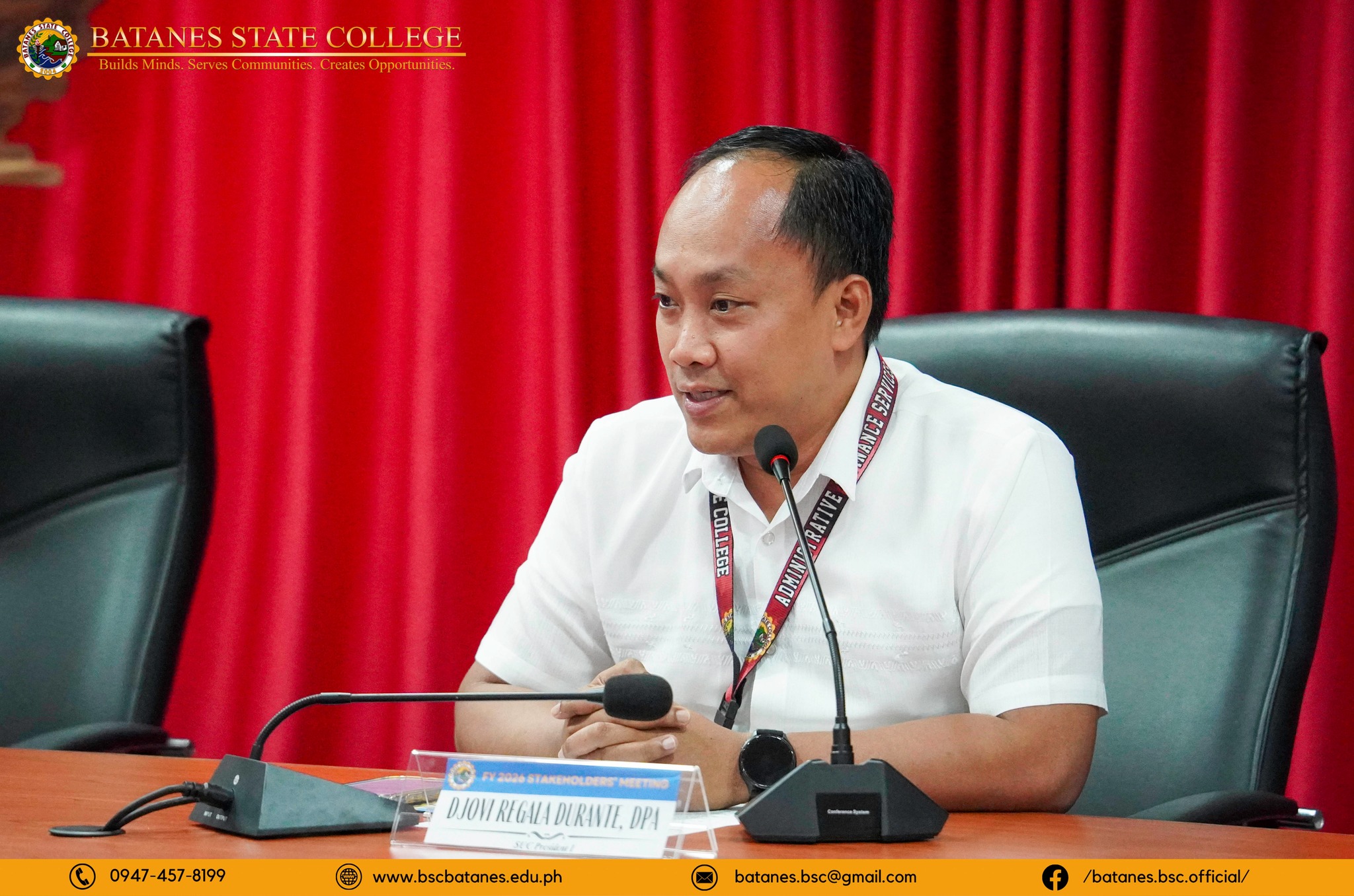
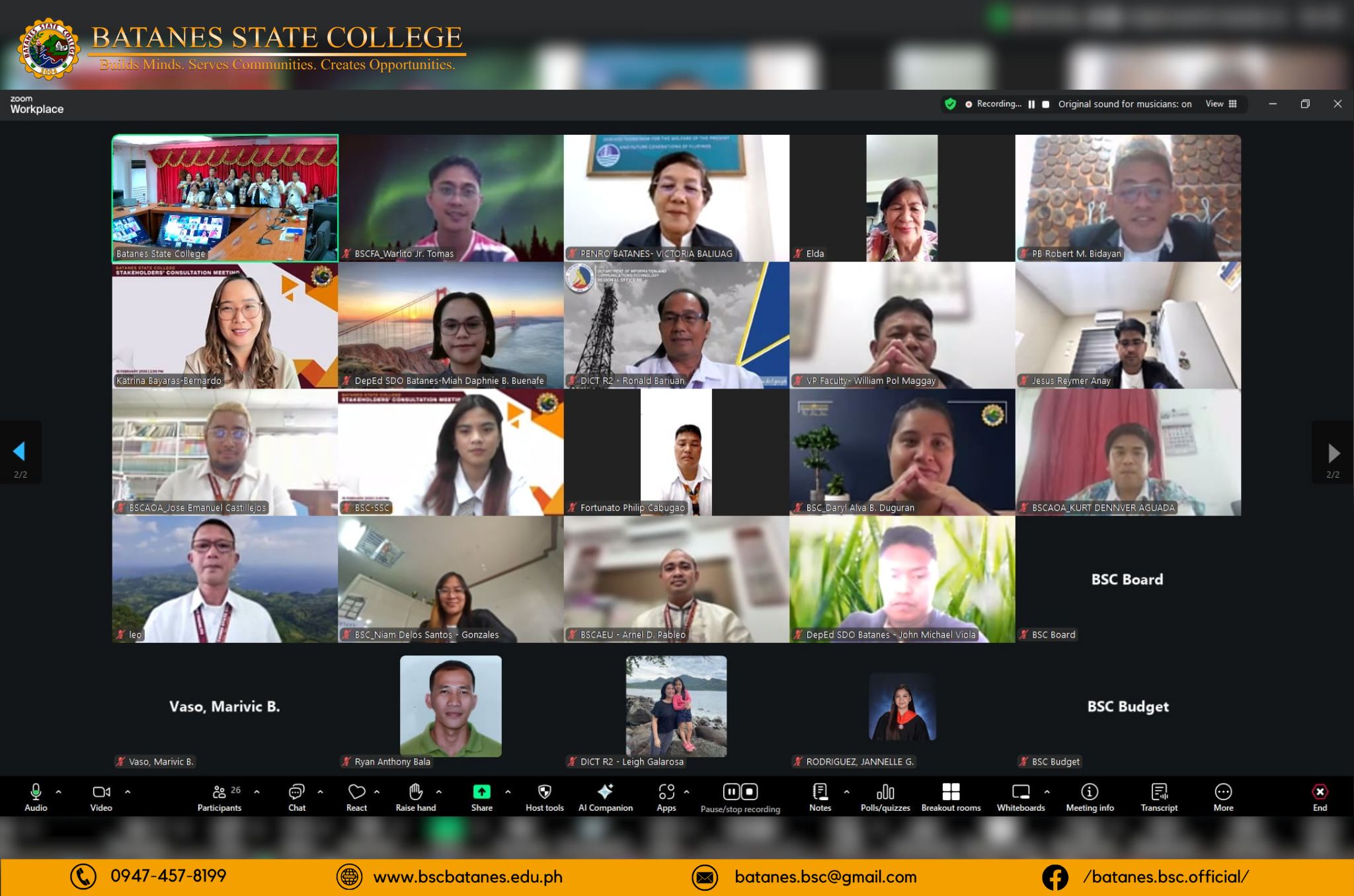
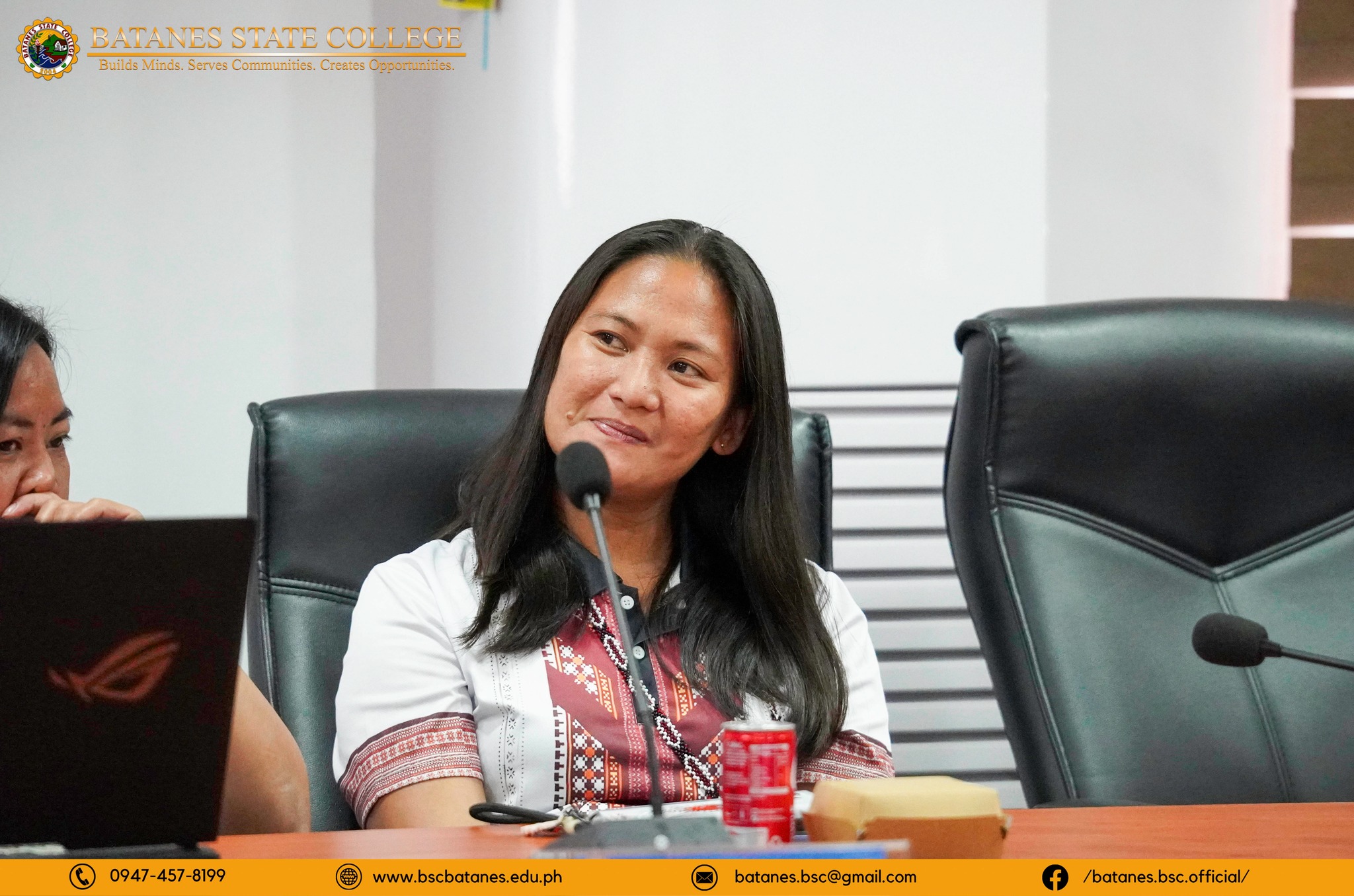
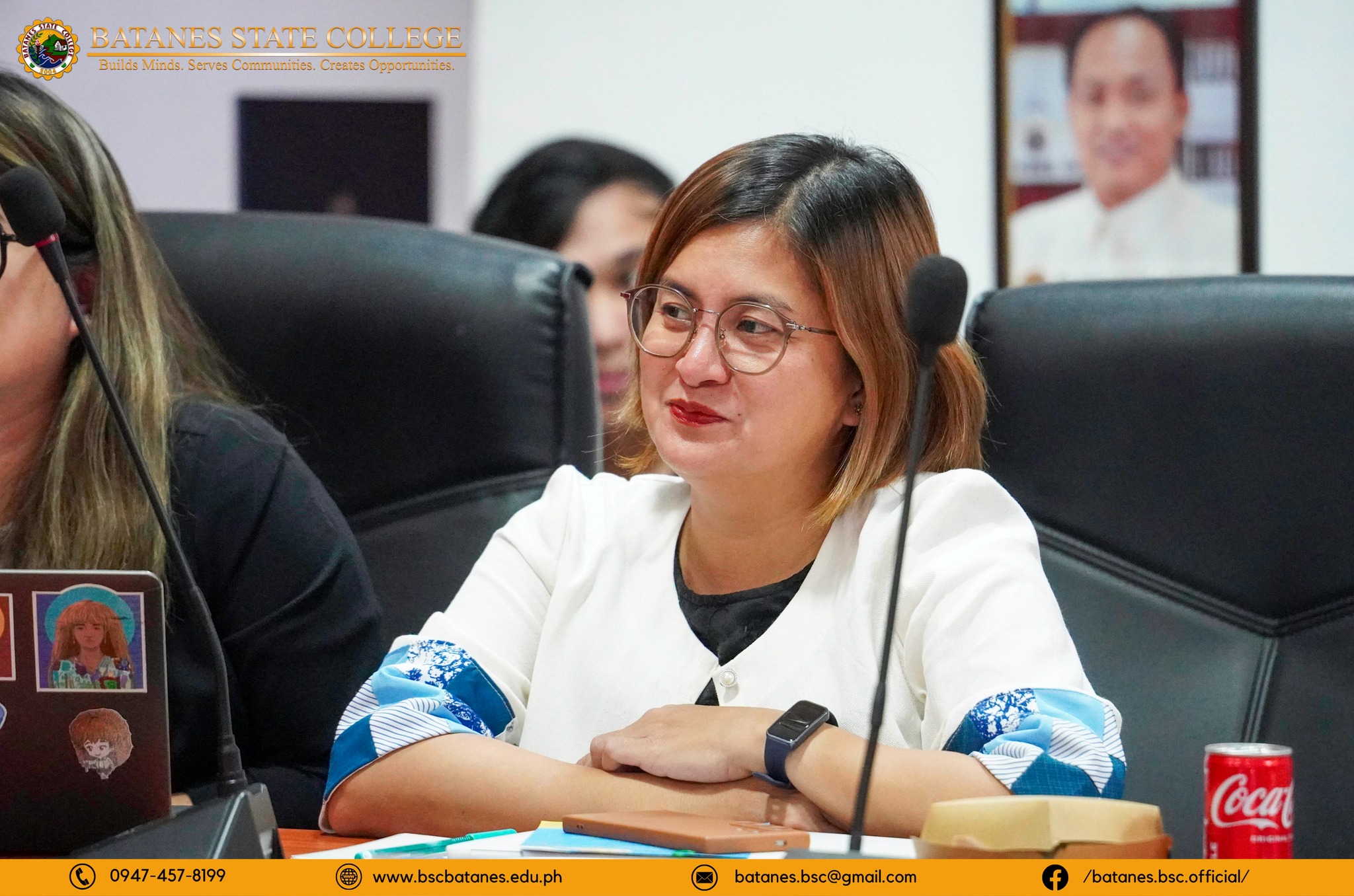
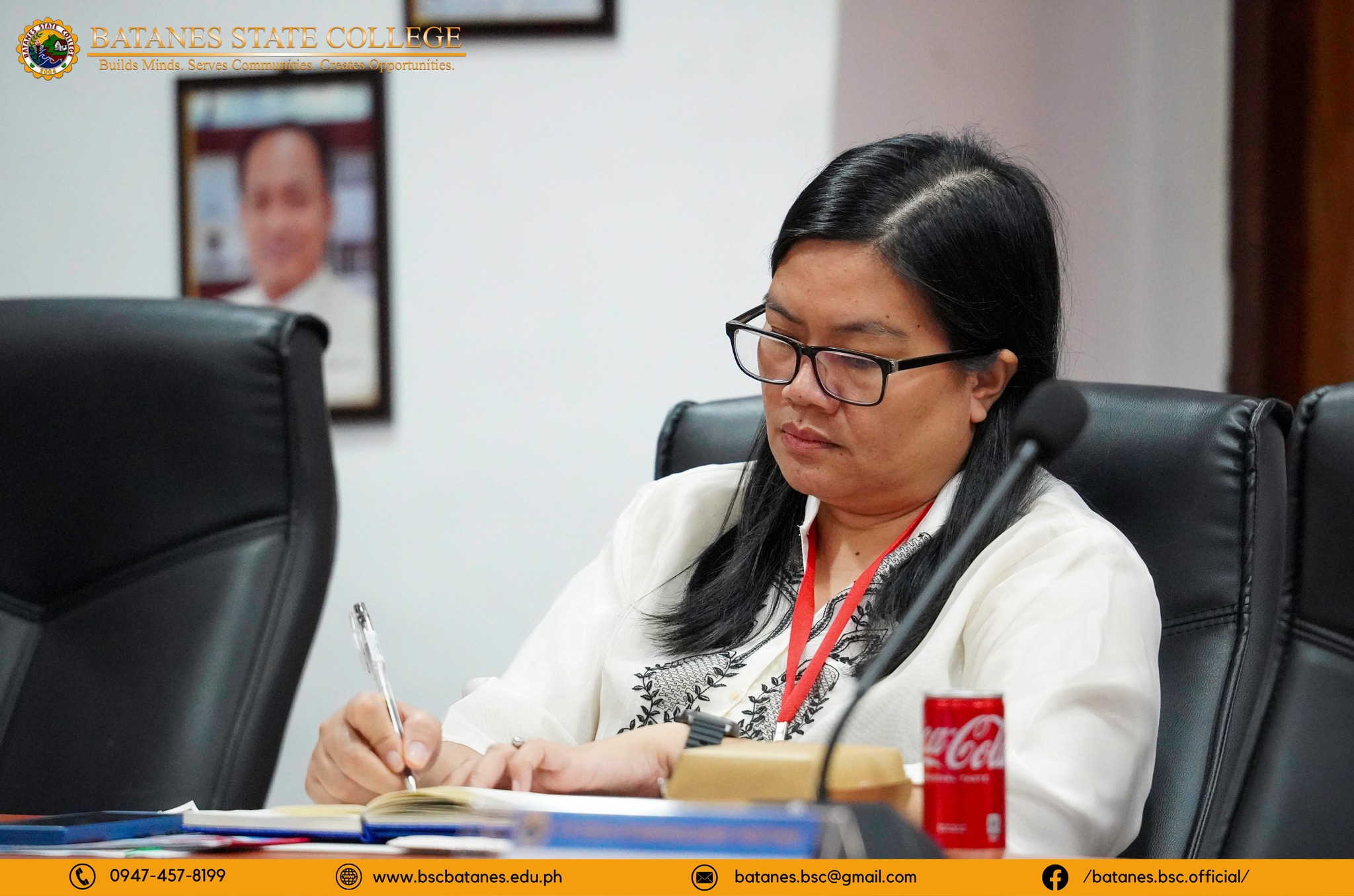
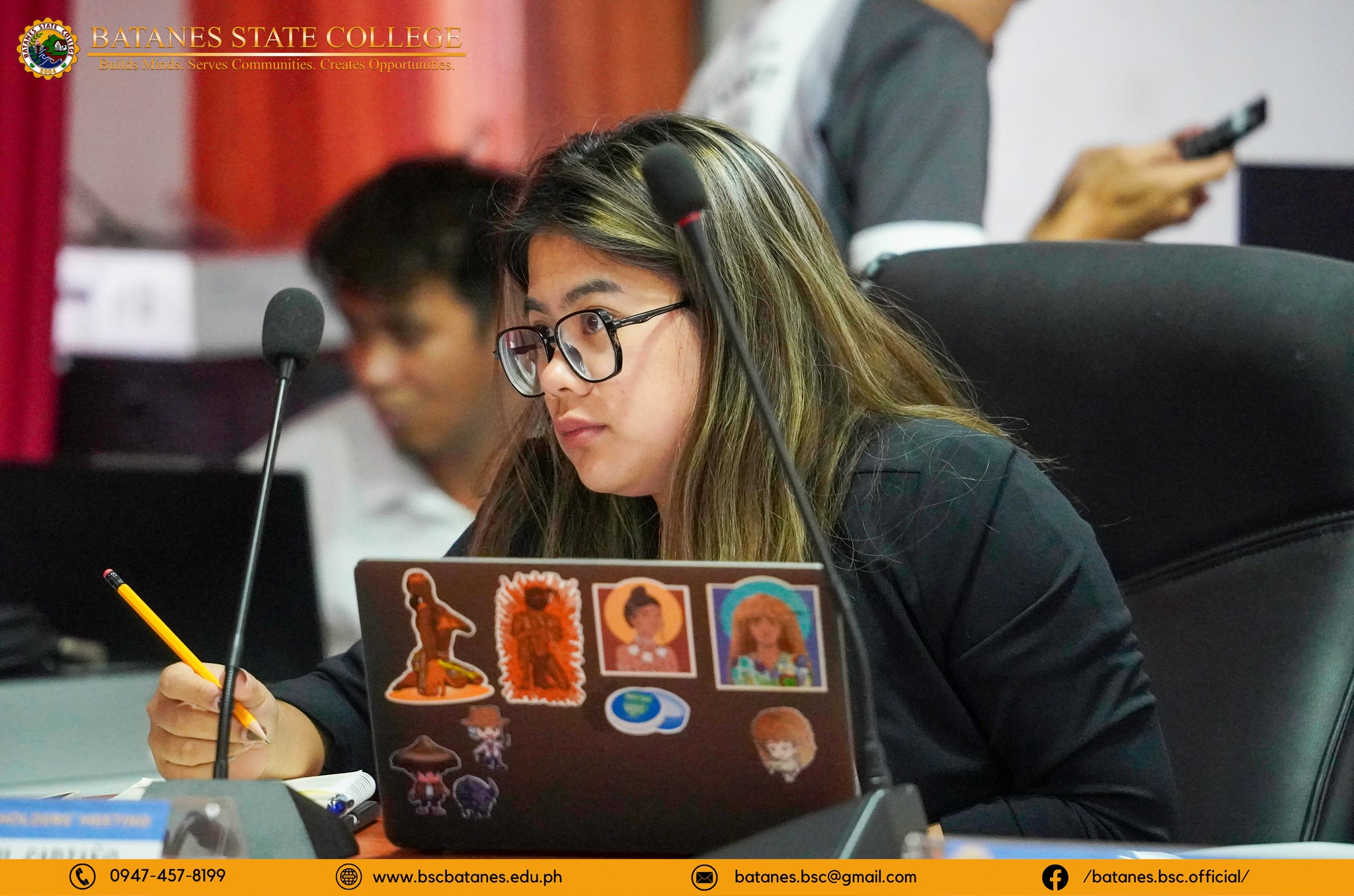
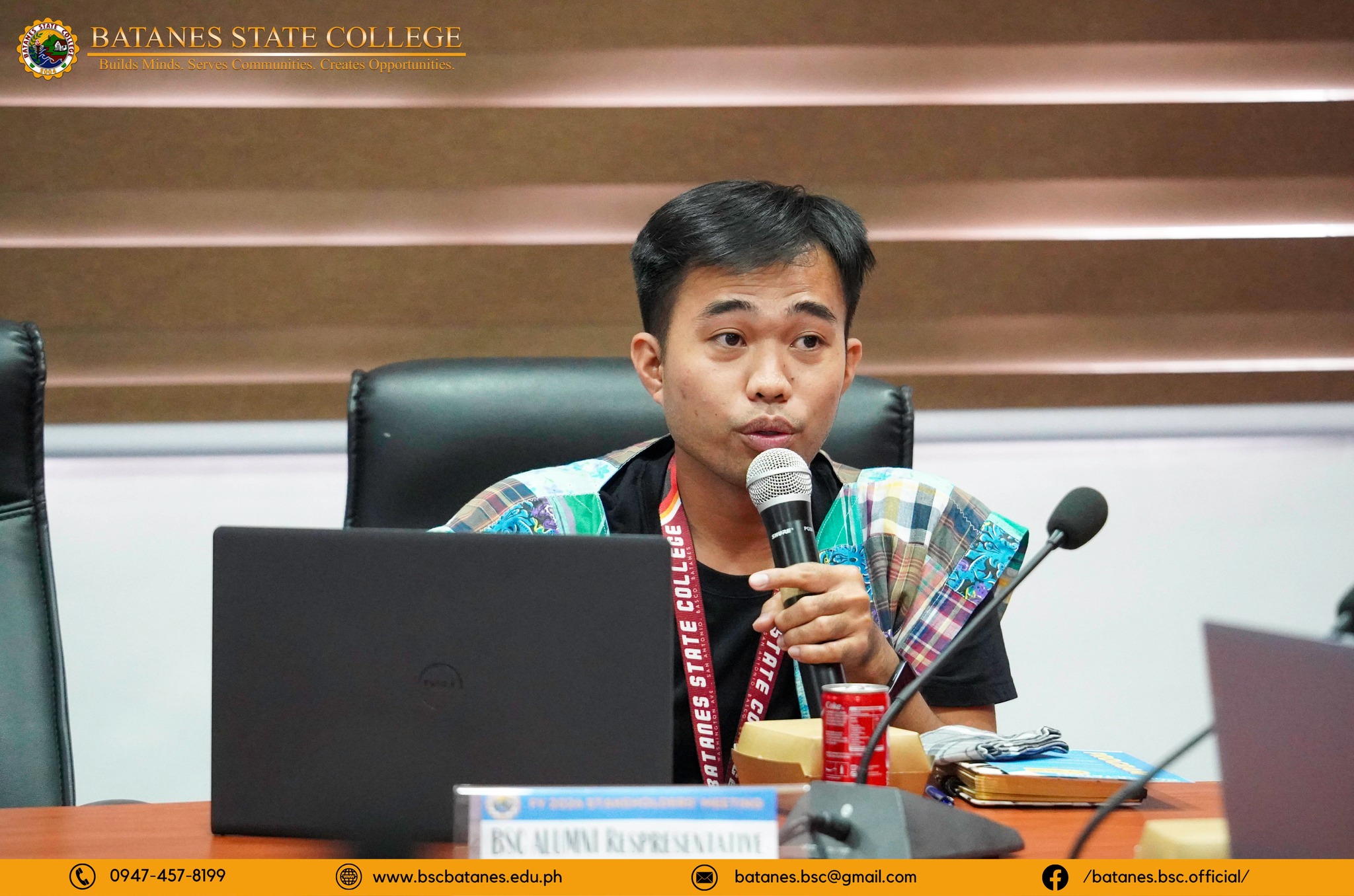
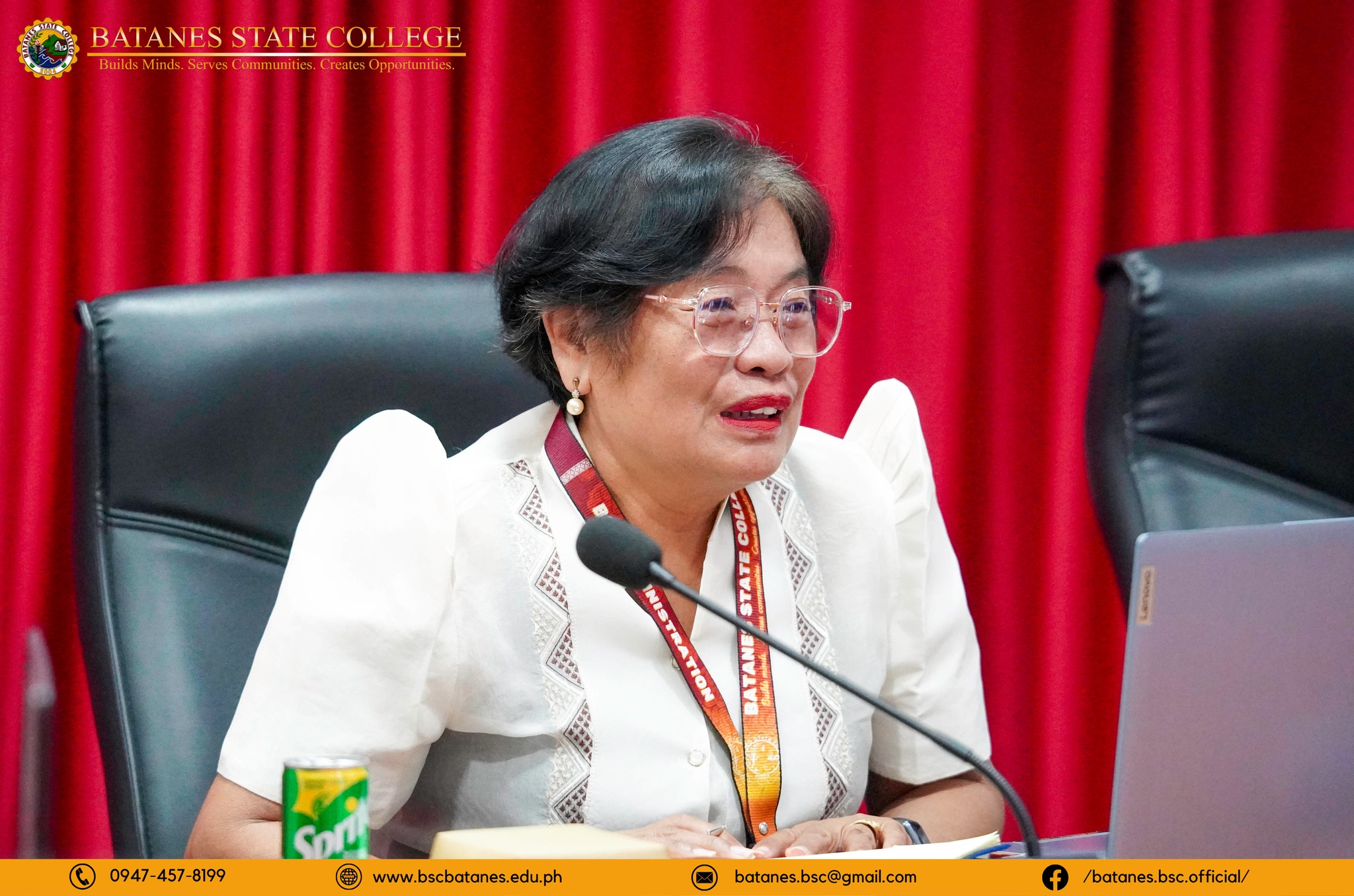
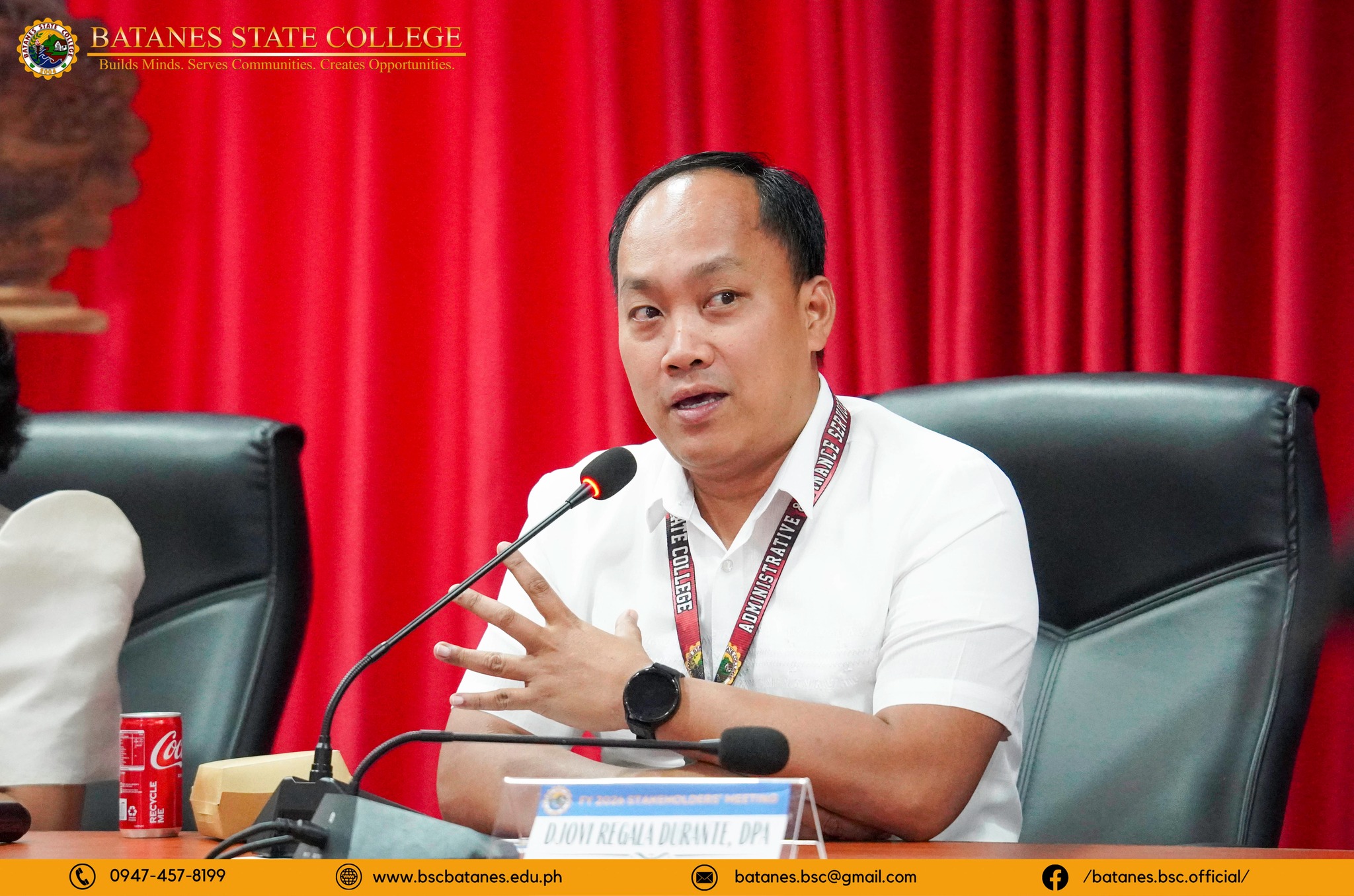
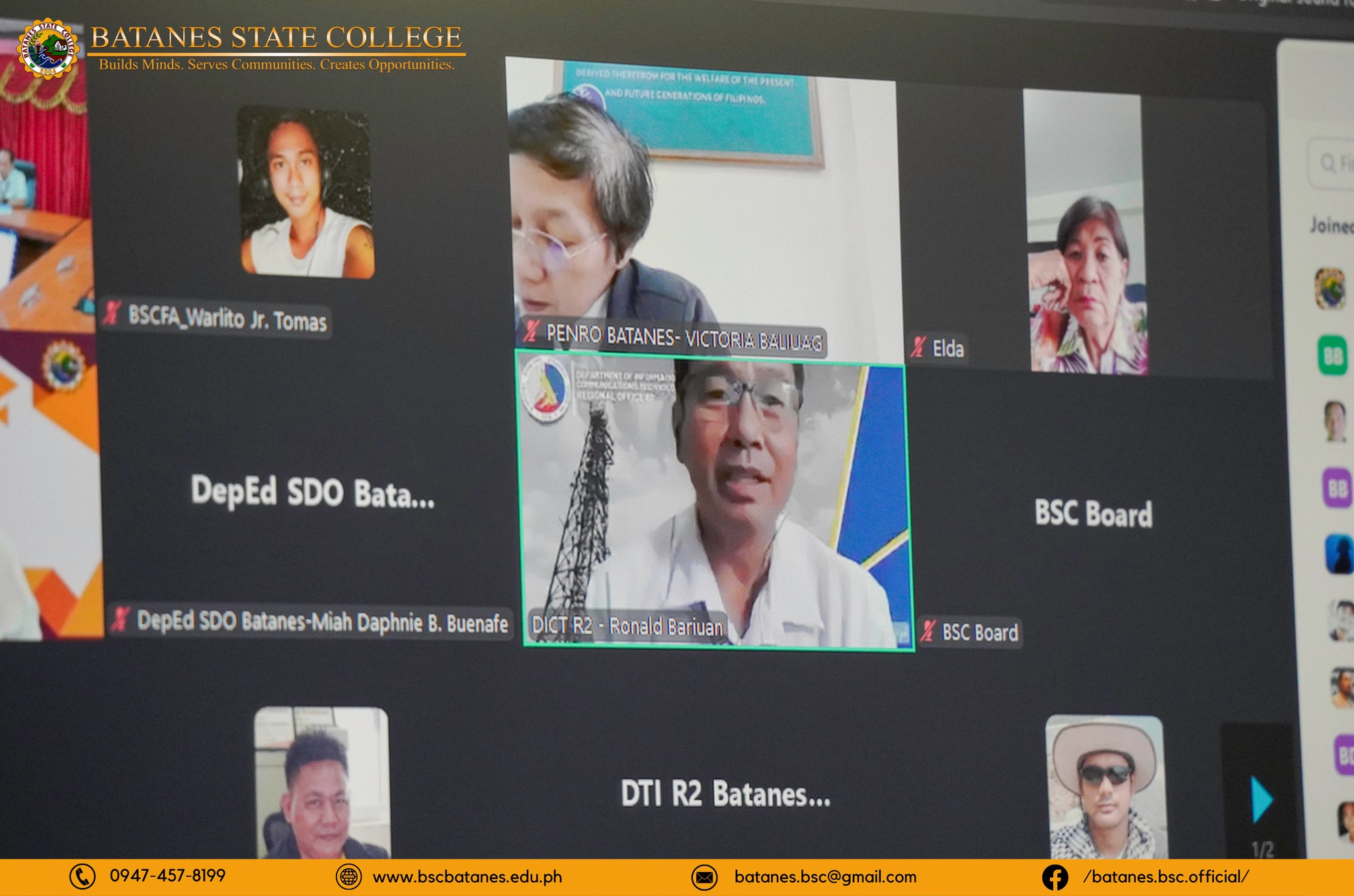
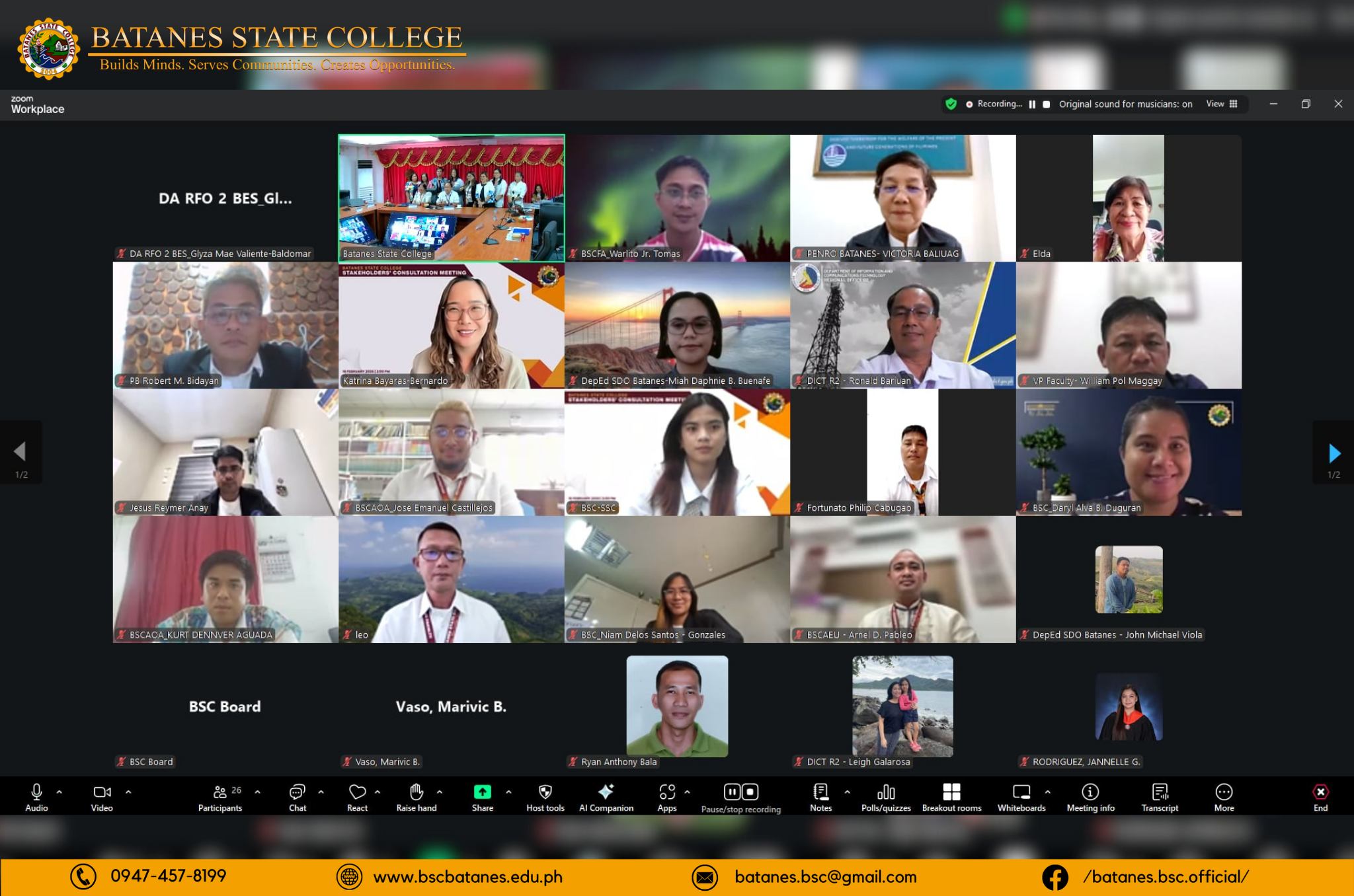
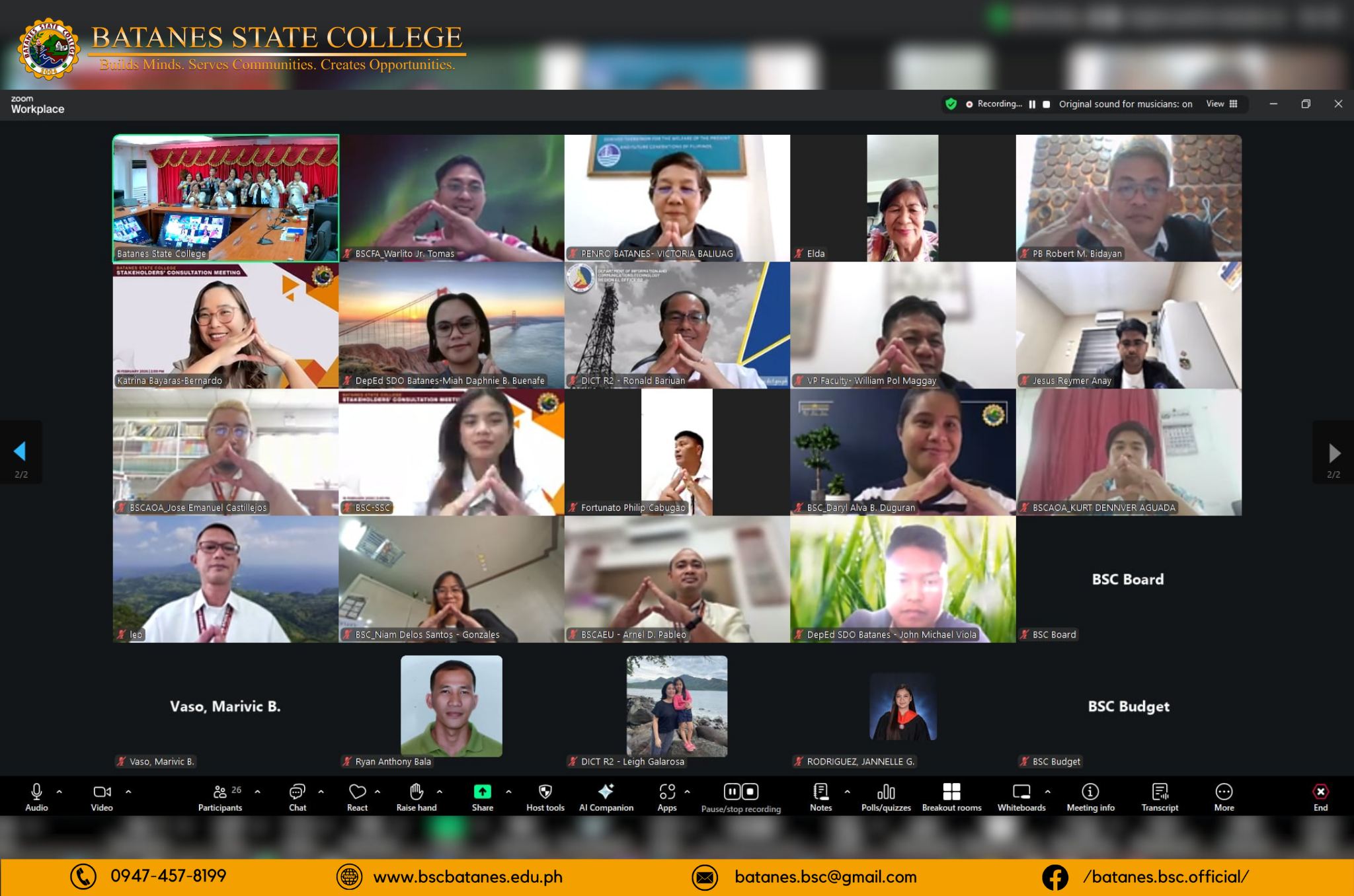
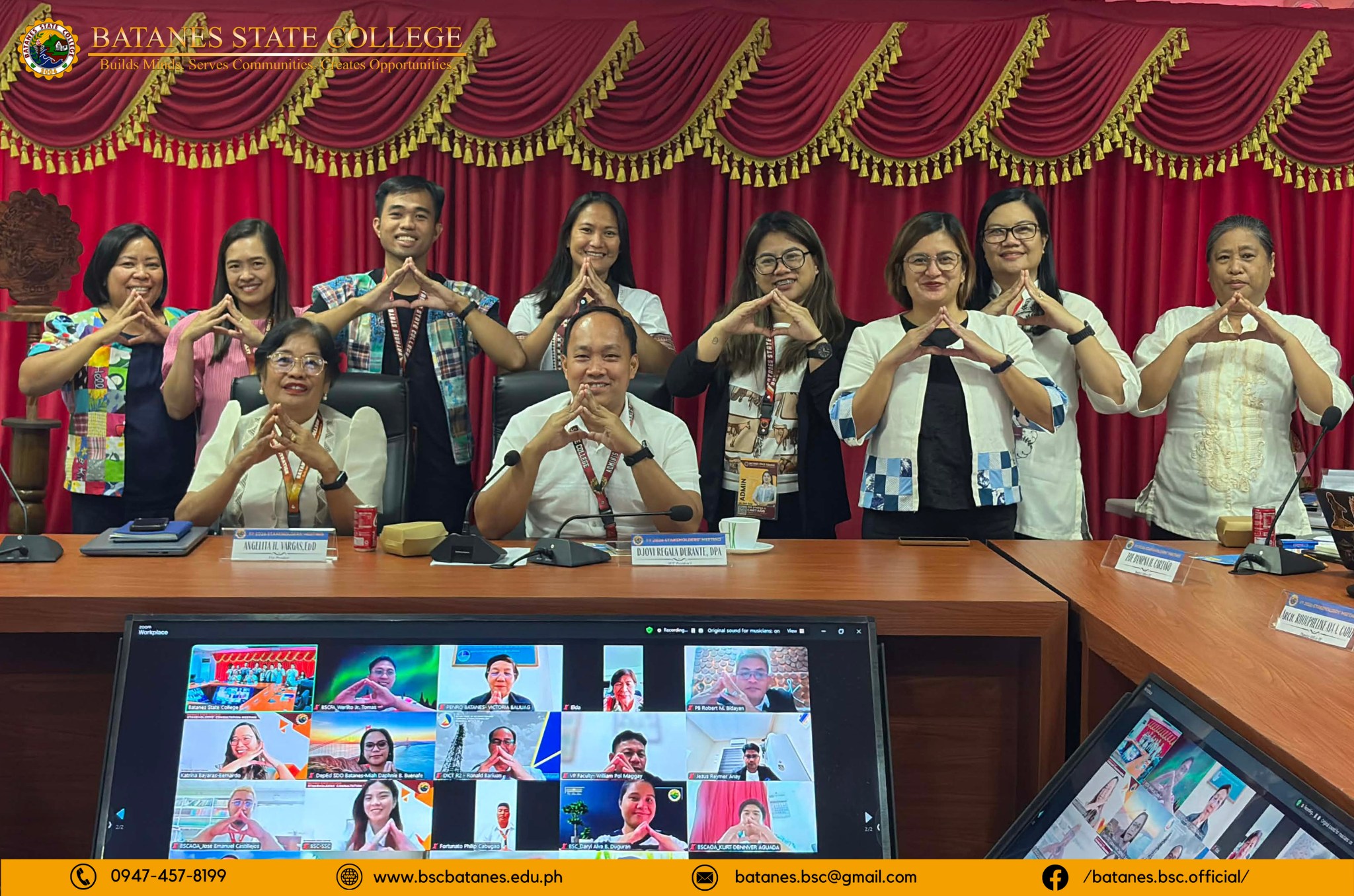
Batanes State College (BSC), led by College President Dr. Djovi R. Durante, together with College officials, successfully conducted the Stakeholders’ Consultation for the FY 2026 Budget and FY 2027 Budget Proposal on February 16, 2026.
The consultation aimed to promote a transparent, inclusive, and strategically aligned budgeting process. By engaging key stakeholders, the College ensures that financial resources are allocated effectively to support academic excellence, operational efficiency, and sustainable institutional development, while remaining responsive to the needs of students, employees, and the broader community.
As emphasized by Dr. Durante, “A budget is not merely a set of numbers; it is an intentional reflection of our priorities and values.” Thus, meaningful stakeholder participation remains vital in shaping the College’s direction and future.
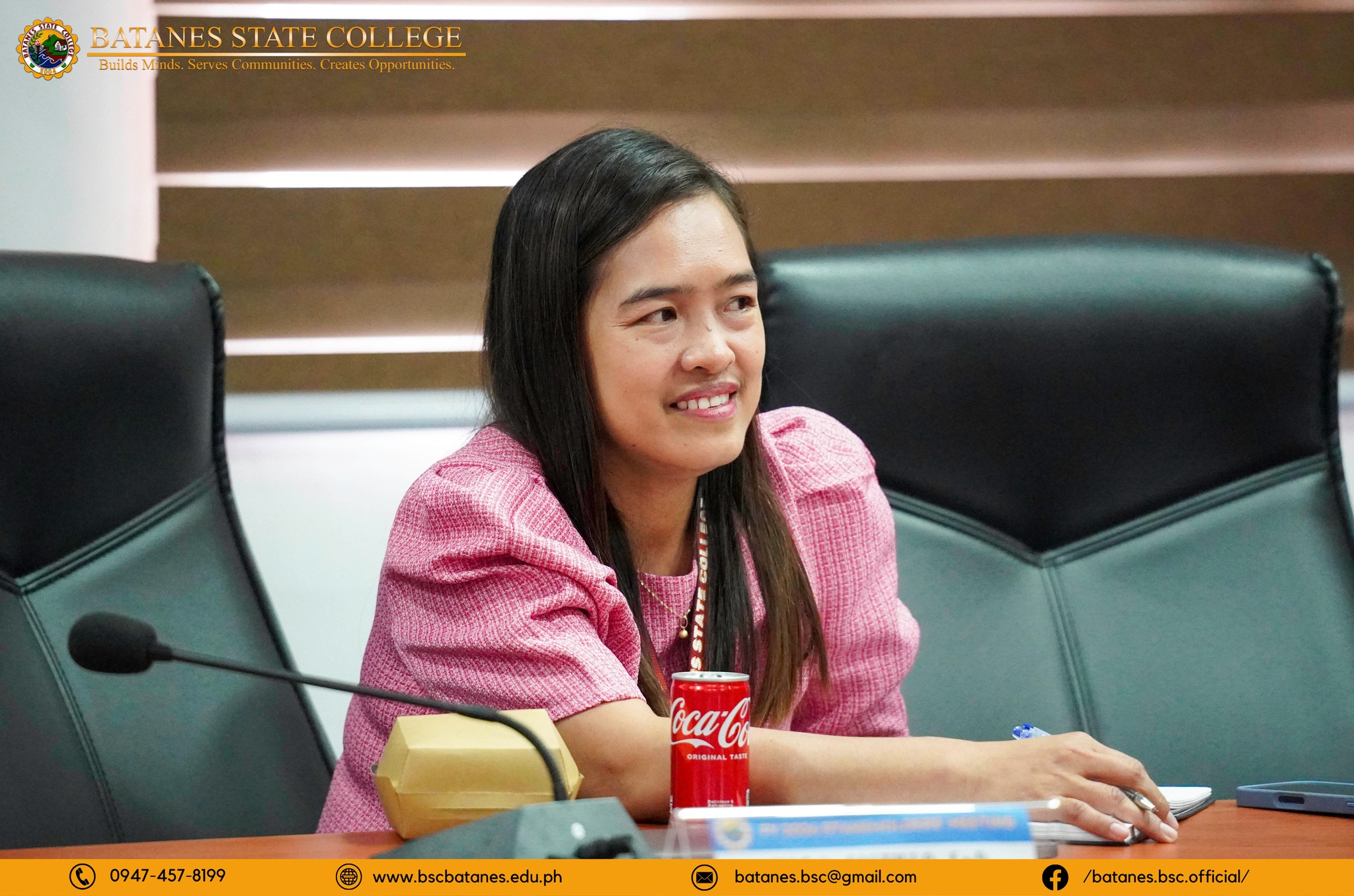
Arch. Rhoupheline Aya A. Cadiz, Planning Officer III, presented the FY 2025 Accomplishment of the College, while Ms. Zoe Dympna H. Cartaño, Budget Officer III, discussed the FY 2026 Budget under the General Appropriations Act and the FY 2027 Budget Proposals.
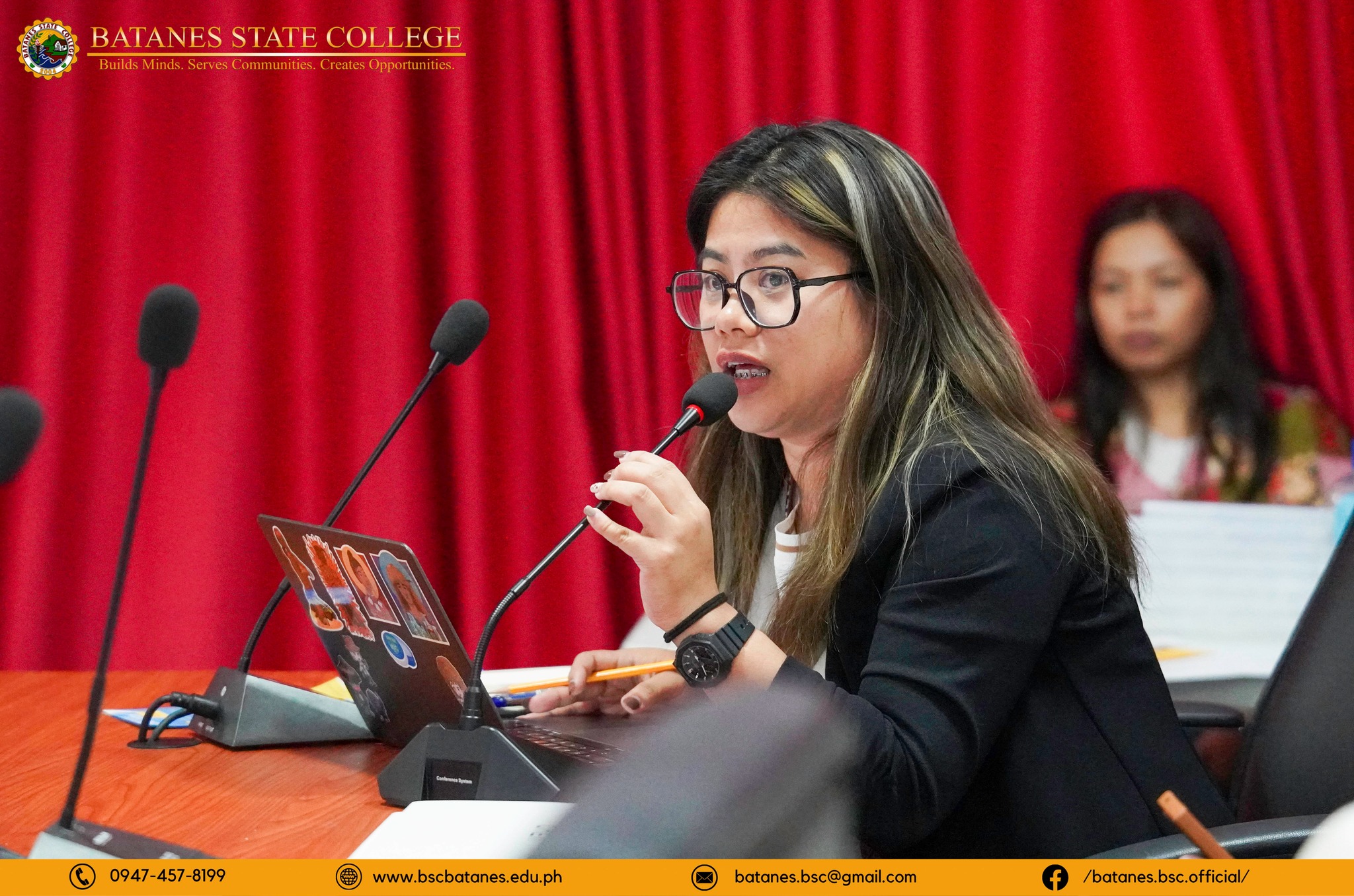
The open forum provided a venue for valuable insights and recommendations from stakeholders, which will further enhance the programs and services of BSC.
External stakeholders in attendance included representatives from the Local Government Unit of Basco, Provincial Government of Batanes, Batanes Heritage Conservation Corp. Inc., Batanes Tour Guides Association, Department of Education, Department of Trade and Industry, Department of Agriculture, Department of Public Works and Highways, Department of Information and Communications Technology, and the Provincial Environment and Natural Resources Office – Batanes.
Through this Stakeholders’ Consultation, BSC reaffirms its commitment to participatory governance, fiscal responsibility, and community-centered development, ensuring that its budget reflects institutional priorities while advancing shared progress for Batanes.
As BSC moves forward with strategic direction and shared accountability, it strengthens its role as an institution that builds minds, serves communities, and creates opportunities.